
NeZhaAdvent: A New Era in Gaming with PHbet Integration
Explore the captivating world of NeZhaAdvent, a groundbreaking game with PHbet integration, offering players a thrilling journey through mythology and strategy.


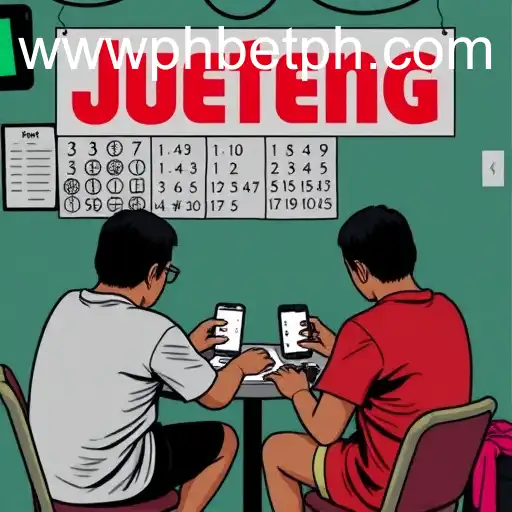
In the vibrant cultural tapestry of the Philippines, Jueteng stands out as a controversial yet widely recognized numbers game that has woven itself into the social fabric of the nation. Despite its illegal status, Jueteng has gained a vast following, becoming an integral part of many communities. This game illustrates the complex interplay between economic necessity and the allure of risk and reward.
Jueteng is, at its core, a simple yet enticing game of chance. Participants place bets on a combination of numbers ranging from 1 to 37. Draws are typically held twice daily, with the winning numbers announced through local networks. Unlike traditional lotteries, Jueteng is organized on a local scale, often managed by clandestine community operators who coordinate the collection of bets and the distribution of winnings.
The persistence of Jueteng in Filipino communities can largely be attributed to its socio-economic roles. For many, it represents a potential lifeline, a means to escape poverty, even if only temporarily. On another level, Jueteng generates a significant number of informal jobs, from bet collectors known as "cobradores" to those who oversee the operations.
However, the implications of Jueteng extend beyond individual gains. The game is often linked with corruption, with allegations frequently surfacing about police and local officials receiving bribes to turn a blind eye to its operation. This systemic entrenchment can exacerbate societal issues, inhibiting broader economic development and perpetuating cycles of poverty.
As the world increasingly shifts towards digital platforms, Jueteng has not been left behind in this technological evolution. Enter PHbet, a digital platform that brings the traditional gambling experience online. PHbet encapsulates the modern gambler’s preference for convenience, allowing users to place bets from the comfort of their home.
PHbet represents the natural progression of Jueteng into the digital age, offering the familiar thrill of betting with the ease of online access. However, this transition also raises new concerns regarding regulation and accountability. The anonymity afforded by online platforms can lead to an uptick in addictive behaviors and complicate efforts to monitor and control illegal gambling activities.
The rise of platforms like PHbet presents unique challenges for regulators. The traditional means of policing Jueteng, primarily through on-ground enforcement, are less applicable in the cyberspace where transactions can be conducted under the radar. There's an urgent need for a comprehensive regulatory framework that addresses the complexities introduced by digital gambling, encompassing player protection, fair play, and financial transactions.
Furthermore, the potential for these platforms to capture a younger audience is significant. Digital accessibility combined with targeted advertising means there is a risk of influencing a new generation who may perceive gambling as a commonplace activity devoid of its associated risks.
Jueteng, despite its illegal nature, holds cultural significance for many Filipinos. It is not merely a game but is considered part of a tradition, a habitual social activity that accompanies daily life. Many players speak of the enchantment associated with choosing numbers and participating in the collective anticipation of each draw.
The social dynamics surrounding Jueteng complex. For some, winning is about the gamble itself and less about the monetary gain, embodying a communal spirit and shared dreams. Yet, for others, Jueteng is a symbol of hope in situations where opportunity seems limited. This dichotomy highlights the game’s dual role as both a leisure pursuit and a potential means to a better life.
Efforts to eradicate Jueteng have consistently faced hurdles, largely due to its deep-rooted place in Filipino society and the substantial monetary stakes involved. Addressing Jueteng requires more than just law enforcement; it needs a multifaceted approach that considers socio-economic factors and seeks to provide viable alternatives to those dependent on it for their livelihood.
There is also room for public policy to play a role in educating communities about the risks associated with gambling and promoting responsible behavior. Ensuring that these efforts are culturally sensitive and engage the community in dialogue is crucial for any meaningful change.
The story of Jueteng and its adaptation to the digital realm through platforms like PHbet exemplifies the ongoing struggle between tradition and regulation in the world of gambling. Its future in the Philippines will depend on balancing technological advancement with responsible regulation, community support, and a deeper understanding of its role in the socio-economic landscape.
If you're looking for a reliable, fully licensed, and secure sportsbook with a wide selection of games, PHbet is the perfect choice. We're committed to providing you with the best online betting experience, with premium quality, excellent service, and continuous innovation. Sign up now and receive ₱777 for free!
Join now
Get the latest information, experience and betting strategies from the expert team at PHbet.
Explore the captivating world of NeZhaAdvent, a groundbreaking game with PHbet integration, offering players a thrilling journey through mythology and strategy.

Discover FootballScratch, an innovative game blending football action with lottery excitement, and learn about its rules and relevance today.

Discover MoneyMinter, a groundbreaking game that combines virtual economics with real-world financial skills. Its integration with PHbet adds a layer of strategic betting, making it a unique experience.

A comprehensive exploration of FortuneHorse, a trending game revolutionizing the digital betting platform PHbet with its engaging mechanics and captivating gameplay.

Explore the world of Coinstrike2, a captivating digital game gaining popularity rapidly due to its engaging gameplay and innovative features. Learn about its introduction, rules, and the role of PHbet in its rising success.

Explore 3potsRiches, the latest sensation in online gaming, featuring captivating gameplay and intriguing rules, brought to you by PHbet, amidst a rapidly evolving gaming landscape.
 Join now